
Durga Saptashloki, a revered scripture, finds devoted followers seeking its blessings in Telugu, readily available as a PDF for convenient download and recitation.
What is Durga Saptashloki?
Durga Saptashloki represents a concise yet powerful hymn dedicated to Goddess Durga, consisting of seven verses (shlokas). It’s a portion extracted from the larger Durga Saptashati, found within the Markandeya Purana. For devotees seeking access in their native language, a Durga Saptashloki PDF in Telugu is widely circulated.
These verses encapsulate the essence of Durga’s divine power and are believed to bestow immense benefits upon sincere reciters. The availability of the text as a Telugu PDF download facilitates easy access for those who prefer reading and chanting in their regional language. It’s a potent spiritual practice, offering protection and blessings to all who engage with it faithfully.
Significance of Chanting
Chanting Durga Saptashloki, particularly when accessed through a convenient Telugu PDF, is profoundly significant for spiritual growth and well-being. Devotees believe consistent recitation removes obstacles, fosters protection, and invites divine blessings from Goddess Durga. The verses are considered highly effective in overcoming negativity and cultivating inner strength.
The practice isn’t merely about vocalization; it’s about connecting with the divine energy embodied by Durga. Obtaining the Durga Saptashloki PDF download in Telugu allows for deeper comprehension and heartfelt devotion. Regular Parayana (recitation) is said to purify the mind, enhance focus, and ultimately lead to liberation.
Origin and Scriptural Basis (Markandeya Purana)
The Durga Saptashloki’s origins are deeply rooted in the Markandeya Purana, a significant Hindu text. Within this Purana, the Durga Saptashati—a larger scripture—serves as the foundational source, glorifying Goddess Durga’s power and benevolence. The Saptashloki represents a condensed, potent selection of verses from this larger work.
Accessing a Durga Saptashloki PDF in Telugu allows devotees to connect directly with this ancient wisdom. The text details divine battles and triumphs, symbolizing the victory of good over evil. Understanding its scriptural basis enhances the reverence and efficacy of chanting, fostering a deeper connection with the Goddess and her protective energy.

Durga Saptashloki in Telugu: Accessing the Text
Numerous online platforms offer the Durga Saptashloki in Telugu as a readily available PDF, facilitating easy access for devoted practitioners and study.
Availability of Telugu PDFs
The Durga Saptashloki PDF in Telugu is remarkably accessible, reflecting the widespread devotion to Goddess Durga within the Telugu-speaking regions. A multitude of websites dedicated to religious texts and spiritual practices host these PDF versions, offering free downloads to devotees.
Furthermore, digital libraries and e-book portals frequently include the Durga Saptashloki in their Telugu collections. Temple websites, particularly those dedicated to Goddess Durga, also provide convenient access to the scripture in PDF format.
This broad availability ensures that individuals can easily obtain and engage with the sacred verses, fostering a deeper connection with the divine feminine. The ease of access promotes regular recitation and study of this powerful stotra.
Online Platforms for Download
Several online platforms facilitate the easy download of the Durga Saptashloki in Telugu PDF format. Stotranidhi, a dedicated resource for stotras, provides access to the scripture alongside related materials; Various religious websites specializing in Hindu texts also offer downloadable PDF versions, catering to devotees’ needs.
Additionally, general e-book platforms and digital libraries often host the Durga Saptashloki in Telugu. Searching online using keywords like “Durga Saptashloki Telugu PDF download” yields numerous results, directing users to relevant websites.
Devotees should exercise caution and ensure the source is reputable when downloading religious texts online, verifying the authenticity of the content.
Gita Press Telugu Editions
Gita Press is a highly respected publisher of Hindu scriptures, and their Telugu editions of the Durga Saptashati – the larger text containing the Durga Saptashloki – are widely sought after. While a dedicated Durga Saptashloki PDF directly from Gita Press might be less common, their Durga Saptashati editions invariably include the Saptashloki verses.
Devotees searching for a reliable Telugu version often prioritize Gita Press publications due to their accuracy and traditional presentation. Finding a PDF scan of a Gita Press Durga Saptashati allows access to the Saptashloki within that larger work.
Searches including “Durga Saptashati Telugu PDF Gita Press” are likely to yield relevant results.
Stotranidhi Resources
Stotranidhi is a valuable online resource for Hindu stotras, including the Durga Saptashloki. They offer a comprehensive collection of texts in various languages, and their Telugu offerings are particularly useful for devotees in Andhra Pradesh and Telangana. Stotranidhi provides access to the Durga Saptashloki in Telugu script, facilitating accurate recitation.
The platform often includes PDF versions of stotras for easy download and offline access. Beyond the text, Stotranidhi may also feature audio recordings and transliterations, aiding pronunciation and understanding. Searching “Durga Saptashloki Telugu PDF” on Stotranidhi’s website is a direct route to finding the resource.
Understanding the Verses
Accessing the Durga Saptashloki in Telugu PDF format allows devotees to delve into the meaning of each shloka and its spiritual significance.
Meaning of Each Shloka in Telugu
The Durga Saptashloki, when accessed through a Telugu PDF, unveils profound meanings within each of its seven verses. These shlokas, originating from the Markandeya Purana, are dedicated to Goddess Durga, extolling her power and grace. Understanding the nuances of each verse in Telugu requires careful study and often, guidance from experienced scholars.
Each shloka narrates a specific aspect of the divine mother’s glory, detailing her victories over demons and her compassionate nature. Translations and interpretations vary, but the core essence remains consistent – a celebration of Shakti. Devotees often seek Telugu commentaries alongside the PDF to gain a deeper comprehension of the poetic and philosophical layers embedded within the verses. Accurate understanding enhances the devotional experience and unlocks the spiritual benefits of recitation.
Translation and Interpretation
Accessing the Durga Saptashloki in a Telugu PDF necessitates understanding its translation and interpretation. While literal translations exist, capturing the poetic essence and spiritual depth requires nuanced understanding of Sanskrit and Telugu. Different translators may offer varying interpretations, reflecting their perspectives and scholarly traditions.
Several resources provide Telugu translations alongside the original Sanskrit verses, aiding devotees in comprehending the meaning. However, simply knowing the words isn’t enough; grasping the underlying symbolism and philosophical context is crucial. Commentaries, often found alongside the PDF, offer deeper insights; Careful study, potentially with guidance, unlocks the full power of these sacred verses, enhancing the devotional experience and fostering a stronger connection with Goddess Durga.
Importance of Correct Pronunciation
When utilizing a Durga Saptashloki PDF in Telugu, correct pronunciation is paramount. The verses are potent mantras, and precise articulation unlocks their vibrational energy. Mispronunciation can diminish the efficacy of the recitation, hindering spiritual benefits. Telugu, like Sanskrit, possesses specific phonetic rules that must be followed diligently.
Audio resources, readily available online – including those linked with Shankaracharya’s Upadesha – are invaluable for learning proper pronunciation. Listening to experienced chanters provides a model for accurate articulation. Paying attention to the subtle nuances of each syllable is essential. Consistent practice, guided by audio or a knowledgeable guru, ensures respectful and effective recitation of the Durga Saptashloki, maximizing its positive influence.

Benefits of Recitation
Reciting the Durga Saptashloki, even using a Telugu PDF, bestows spiritual growth, divine protection, and removes obstacles, fostering blessings for devoted practitioners.
Spiritual Benefits
Engaging with Durga Saptashloki, whether through dedicated study or consistent recitation utilizing a Telugu PDF, unlocks profound spiritual advantages. The verses, when internalized, cultivate a deeper connection with the Divine Feminine, fostering inner peace and heightened awareness. Consistent practice purifies the mind, dissolving negative tendencies and promoting emotional stability.
The power of the shlokas, even when accessed digitally, aids in self-realization and the transcendence of ego. Devotees often report increased intuition and a stronger sense of purpose. Furthermore, the rhythmic chanting, facilitated by readily available Telugu resources, harmonizes energies within the body, promoting overall well-being. It’s a pathway to unlock latent spiritual potential and experience the transformative power of Goddess Durga’s grace.
Protection and Blessings
Reciting Durga Saptashloki, easily accessible via a Telugu PDF, is believed to invoke powerful protective energies. Devotees experience a shield against negativity, obstacles, and harmful influences. The verses are considered a potent mantra for warding off evil and ensuring safety for oneself and loved ones.
Beyond protection, consistent chanting attracts the blessings of Goddess Durga, bestowing strength, courage, and prosperity. It’s believed to remove hurdles in life’s journey and facilitate the fulfillment of righteous desires. Accessing the text in Telugu allows for a deeper cultural connection, enhancing the potency of the blessings received. The divine grace offered through this practice fosters a life filled with abundance and well-being.
Removal of Obstacles
The Durga Saptashloki, conveniently found as a Telugu PDF for easy access, is renowned for its ability to dismantle obstacles hindering spiritual and material progress. Chanting these verses creates a powerful vibrational force that dissolves negativity and clears pathways to success. Devotees utilize this practice to overcome challenges in career, relationships, and personal growth.
By invoking the divine energy of Goddess Durga, individuals experience a release from limiting beliefs and karmic blockages. The Telugu version allows for a culturally resonant connection, amplifying the mantra’s effectiveness. Regular recitation, guided by the PDF text, fosters resilience and empowers one to navigate life’s difficulties with grace and determination, ultimately leading to liberation.

Performing Parayana (Recitation)
Initiate Durga Saptashloki Parayana with a sincere Sankalpa, utilizing the accessible Telugu PDF, choosing a serene space and auspicious time for focused devotion.
Sankalpa (Intention Setting)
Before commencing the Parayana of Durga Saptashloki, utilizing the readily available Telugu PDF, establishing a clear Sankalpa – a heartfelt intention – is paramount. This sacred vow directs the energy of the recitation towards a specific purpose. Devotees often seek blessings for health, prosperity, or the removal of obstacles.
Clearly articulate your desire while facing East, holding a water vessel. Invoke Goddess Durga, expressing your devotion and outlining your intention for undertaking the Parayana. The Sankalpa should be concise and sincere.
Remember, the power of the Durga Saptashloki, even when read from a Telugu PDF, is amplified by a focused and genuine intention. This initial step sets the foundation for a spiritually rewarding experience, aligning your energy with the divine grace of the Goddess.
Proper Time and Place
When undertaking the Parayana of Durga Saptashloki, utilizing a Telugu PDF for guidance, selecting an auspicious time and a serene location significantly enhances the spiritual benefits. Dawn and dusk are considered particularly potent times for connecting with the divine energy of Goddess Durga.
Ideally, choose a clean, quiet space dedicated to worship. A home shrine or a peaceful room free from distractions is suitable. Ensure the area is well-ventilated and conducive to focused meditation.
Facing East or North while reciting from the Telugu PDF is recommended. Maintaining a respectful and devotional atmosphere is crucial. The sanctity of the space and time amplifies the power of the verses, fostering a deeper connection with the Goddess.
Number of Recitations
The number of times to recite the Durga Saptashloki, while utilizing a Telugu PDF, is often determined by individual intention and capacity. While there isn’t a rigid rule, completing at least one full Parayana – reciting all seven shlokas – is considered foundational.
Many devotees opt for reciting it daily, or on specific days dedicated to Goddess Durga, like Navaratri. Some undertake 108 recitations for intensified benefits, a number considered sacred in Hinduism.
Consistency is key; regular recitation, even a smaller number of times, is more impactful than infrequent, large-scale Parayanas. The devotion and sincerity with which you chant, guided by the Telugu PDF, are paramount.
Resources and Guidance
Access Durga Saptashloki audio and video lectures in Telugu, alongside PDF resources, offering guidance for proper chanting and deeper understanding.
Audio Links for Learning
For devotees seeking to learn the correct pronunciation and rhythm of Durga Saptashloki, several audio resources are readily available. Jagadguru Shankaracharya Sri Sri Vidhushekhara Bharati Sannidhanam has graciously provided an Upadesha of the Saptashloki, chanted at a slower pace specifically designed for new learners. This audio link facilitates accurate recitation and comprehension.
These audio resources are invaluable tools, especially when combined with the Telugu PDF text, allowing practitioners to simultaneously follow the verses and refine their chanting technique. Consistent listening and repetition will aid in memorization and foster a deeper connection with the divine energy of Goddess Durga. Utilizing these resources ensures a more meaningful and effective Parayana experience.
Video Lectures (Telugu Anugraha Bhashanam)
To deepen understanding and devotion, insightful video lectures – known as Anugraha Bhashanam – are available in Telugu. Jagadguru Shankaracharya provides illuminating discourses on the Durga Saptashloki, offering interpretations and guidance for effective practice. These lectures complement the study of the Telugu PDF version, enriching the spiritual experience.
Access to these video resources allows devotees to gain a more profound appreciation for the verses’ meaning and significance. The lectures cover aspects of correct pronunciation, the importance of Sankalpa, and the benefits of consistent recitation. Combining visual and auditory learning with the textual PDF enhances comprehension and fosters a stronger connection with Goddess Durga’s divine energy.
Guidance from Shankaracharya
Seeking guidance from Jagadguru Shankaracharya is invaluable when engaging with the Durga Saptashloki, especially while utilizing the Telugu PDF. His blessings and Upadesha (teachings) provide a foundational understanding for correct practice and maximize the spiritual benefits of recitation. The Shankaracharya’s compassionate approach caters to both beginners and experienced practitioners.
He emphasizes the importance of a sincere heart and devotion alongside accurate pronunciation and understanding of the verses. Accessing his teachings, alongside the readily available Telugu PDF, ensures a respectful and fruitful engagement with this powerful scripture. This guidance helps devotees navigate the nuances of the text and deepen their connection with Goddess Durga.

Specific Aspects of the Telugu Version
Telugu translations of the Durga Saptashloki PDF may exhibit regional variations in chanting and interpretation, reflecting the rich cultural context of Durga worship.
Differences in Telugu Translations
When exploring Durga Saptashloki in Telugu, devotees will encounter variations in translations across different sources and publishers. These differences stem from nuanced interpretations of Sanskrit verses and the translators’ individual approaches to conveying the meaning in Telugu. Some translations prioritize literal accuracy, while others focus on poetic expression and devotional sentiment.
The availability of Durga Saptashloki as a PDF further contributes to this diversity, as numerous individuals and organizations have digitized and shared their versions online. Gita Press editions are highly regarded for their traditional accuracy, but other interpretations exist. Understanding these subtle differences allows practitioners to choose a translation that resonates with their personal understanding and spiritual practice. Careful comparison of multiple Telugu versions enhances comprehension and appreciation of the shlokas’ profound message.
Regional Variations in Chanting
Within the Telugu-speaking regions, subtle variations exist in the chanting of Durga Saptashloki, reflecting local traditions and pronunciation styles. These differences, passed down through generations, add a unique flavor to the devotional practice. While the core verses remain consistent, the melodic intonation and emphasis on certain syllables can vary between districts and communities.
Accessing the Durga Saptashloki as a PDF doesn’t fully capture these auditory nuances. Listening to audio recordings from different regions—like those shared with Anugraha Bhashanam (Telugu) video links—reveals these distinctions. Devotees often learn from local gurus or elders, preserving these regional styles. These variations aren’t considered errors but rather enrich the tapestry of Durga worship within Telugu culture, fostering a deeper connection to the divine.
Cultural Context of Durga Worship in Telugu Regions
Durga worship in Telugu regions is deeply interwoven with local festivals and traditions, extending beyond mere recitation of the Durga Saptashloki, even when accessed as a convenient PDF. Navaratri celebrations are particularly significant, featuring elaborate rituals, vibrant processions, and devotional music. Goddess Durga is often envisioned as a powerful protector, embodying Shakti – feminine divine energy.
The availability of the Saptashloki in Telugu enhances accessibility, but understanding its cultural backdrop is crucial. Temples dedicated to Durga are prevalent, serving as focal points for community worship. The recitation of the Saptashloki is frequently combined with other devotional practices, creating a holistic spiritual experience rooted in centuries-old customs and beliefs.
Advanced Study
Delving deeper requires exploring Telugu commentaries on the Durga Saptashloki, alongside its connection to the larger Durga Saptashati, even utilizing PDF versions.
Commentaries on Durga Saptashloki (Telugu)
While readily accessible Durga Saptashloki PDF versions in Telugu facilitate recitation, a deeper understanding blossoms through dedicated commentaries. Unfortunately, comprehensive, widely-distributed commentaries specifically in Telugu appear less prevalent online compared to the scripture itself. Devotees often rely on interpretations embedded within broader Durga Saptashati commentaries, extracting relevant insights for the Saptashloki.
Exploring resources from institutions like Gita Press, though primarily offering the core text, may indirectly offer contextual clues. Advanced learners might benefit from studying scholarly works on Durga worship within Telugu cultural traditions, which illuminate the nuances of the verses. Seeking guidance from experienced spiritual teachers familiar with both the scripture and Telugu linguistic subtleties is invaluable for unlocking the profound wisdom contained within each shloka.
Relationship to Durga Saptashati
The Durga Saptashloki is intimately connected to the larger Durga Saptashati, found within the Markandeya Purana. While the Saptashati is an extensive 700-verse hymn, the Saptashloki comprises just seven potent verses extracted from it. These seven shlokas encapsulate the essence of the Saptashati, offering a concise yet powerful pathway to connect with the Divine Mother Durga.
Many devotees utilize the Durga Saptashloki PDF in Telugu as an accessible entry point before delving into the complete Saptashati. Understanding the context within the larger scripture enriches the meaning of each verse. Recitation of the Saptashloki is often considered a condensed form of Saptashati parayana, yielding similar spiritual benefits.
Symbolism within the Shlokas
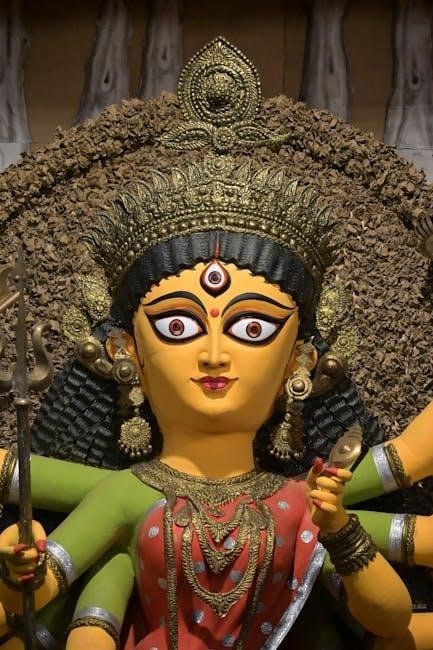
Each of the seven shlokas within the Durga Saptashloki is rich with symbolism, representing different aspects of Goddess Durga’s power and benevolence. The verses, often accessed via a Durga Saptashloki PDF in Telugu, utilize imagery of weapons, deities, and cosmic forces. These aren’t merely descriptive but represent inner strengths and the overcoming of obstacles.
For example, the Goddess’s various weapons symbolize the destruction of negative energies. The recitation, even when following a Telugu translation, aims to invoke these energies within the devotee. Understanding this symbolism deepens the practice, transforming it from rote repetition into a profound meditative experience, fostering spiritual growth and liberation.
Practical Tips for Beginners
Beginners can utilize a Durga Saptashloki PDF in Telugu alongside audio guides to learn correct pronunciation and gradually memorize the verses for effective recitation.
Learning the Script
For those unfamiliar with the Telugu script, initiating the learning process is crucial before diving into the Durga Saptashloki. Several online resources and language learning apps can provide a foundational understanding of the alphabet and basic grammatical structures. Utilizing a Durga Saptashloki PDF alongside a transliteration guide – displaying the verses in both Telugu script and Roman script – can be immensely helpful.
Focus on recognizing the characters and their corresponding sounds. Consistent practice with writing the script, even simple words, will aid in faster comprehension. Don’t be discouraged by the initial challenges; gradual progress is key. Remember that understanding the script unlocks a deeper connection with the verses and enhances the devotional experience when chanting the Durga Saptashloki in Telugu.
Memorization Techniques
Memorizing the Durga Saptashloki verses in Telugu can be approached systematically. Begin by repeatedly reading a single shloka from a PDF version, focusing on understanding its meaning alongside the pronunciation. Break down each verse into smaller phrases, memorizing them sequentially. Audio recordings, readily available online, are invaluable for correct pronunciation and rhythm.
Employ techniques like spaced repetition – reviewing verses at increasing intervals – to reinforce retention. Writing out the shlokas from memory also strengthens recall. Chanting along with the audio, and then independently, builds fluency. Visualizing the Goddess Durga while reciting can deepen concentration and aid memorization, transforming the practice into a meditative experience.
Finding a Guru or Study Group
Embarking on the Durga Saptashloki journey in Telugu is enriched by guidance. Seek a knowledgeable Guru versed in the scripture and its proper recitation, even remotely. Local temples or spiritual organizations often host study groups dedicated to devotional practices like this. Utilizing a PDF version of the text alongside a group fosters collaborative learning and clarifies doubts.
Online forums and communities focused on Hindu scriptures can connect you with fellow devotees. A Guru can provide personalized insights into the verses’ meanings and correct pronunciation. A study group offers mutual support, motivation, and a shared experience, deepening your understanding and devotion to Goddess Durga.