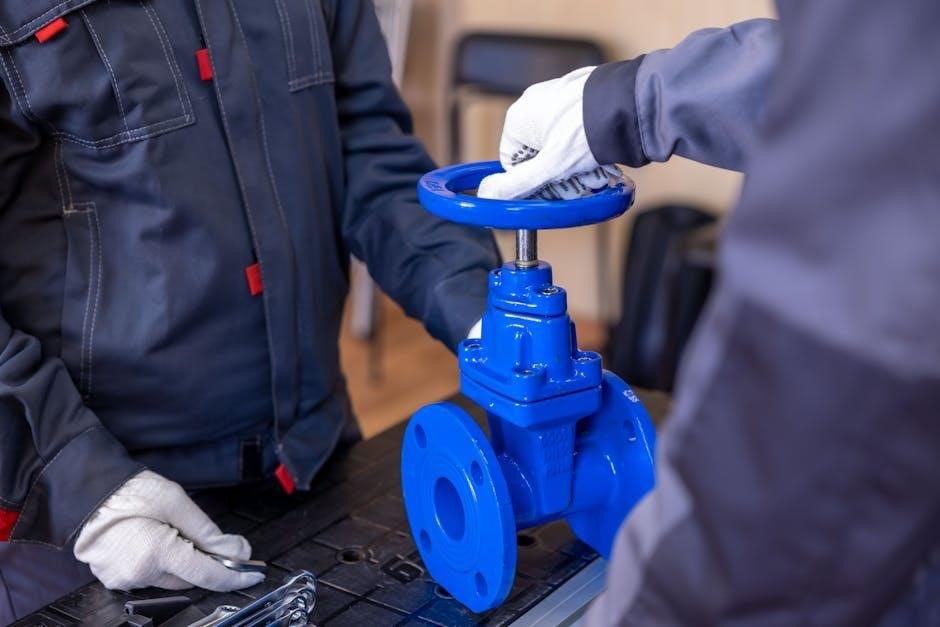
Valves and guides are crucial engine components, impacting performance and longevity; proper function prevents oil seepage and ensures efficient combustion.
What are Valves and Guides?
Valves, integral to internal combustion engines, precisely control the flow of air and exhaust gases, dictating engine efficiency. Guides, typically crafted from materials like cast iron or bronze, meticulously maintain valve alignment during operation.
These guides ensure the valve stem’s straight movement, preventing unwanted contact with valve seats or cylinder walls. Proper valve and guide interaction is paramount; sticking valves, caused by carbon buildup, can lead to piston contact and severe engine damage. Regular inspection and maintenance are vital for optimal performance and preventing costly repairs.
The Critical Role of Valves and Guides in Engine Performance
Valves and guides directly influence volumetric efficiency, impacting horsepower and torque output. Precise valve timing, facilitated by properly functioning guides, optimizes cylinder filling and scavenging. Worn guides contribute to oil seepage, leading to smoke and reduced compression.
Furthermore, incorrect valve train assembly significantly affects guide wear, accelerating deterioration. Maintaining optimal valve performance prevents sticking, ensuring smooth operation and minimizing the risk of piston contact. Addressing valve and guide issues proactively safeguards engine longevity and fuel economy.

Types of Valves
Engine valves are primarily categorized as intake and exhaust, differing in design to manage air-fuel mixture flow and expel combustion gases effectively.
Intake Valves: Function and Design
Intake valves are responsible for precisely controlling the flow of the air-fuel mixture into the engine’s combustion chamber. Their design focuses on maximizing airflow with minimal restriction, often featuring a streamlined shape and a large surface area.
These valves must seal tightly against the valve seat when closed, preventing combustion gases from escaping during compression and combustion. Improperly sealing intake valves can lead to reduced engine efficiency and power output. Valve train assembly significantly impacts their performance, and using incorrect valve materials, like some stainless steel options, can accelerate wear on both the valve and the guide.
Exhaust Valves: Function and Design
Exhaust valves manage the expulsion of burnt gases from the combustion chamber, a critical step in the engine cycle. They are engineered to withstand extremely high temperatures and pressures, often incorporating features like hardened stems and heat-resistant alloys.
Unlike intake valves, exhaust valves don’t require a smooth airflow path, but they must seal effectively to prevent backflow. Wear on exhaust valves, or their guides, can cause leaks leading to excessive smoke upon startup, as oil seeps into the cylinders overnight. Carbon buildup can also cause sticking, potentially damaging pistons.
Different Valve Materials (Stainless Steel, etc.)
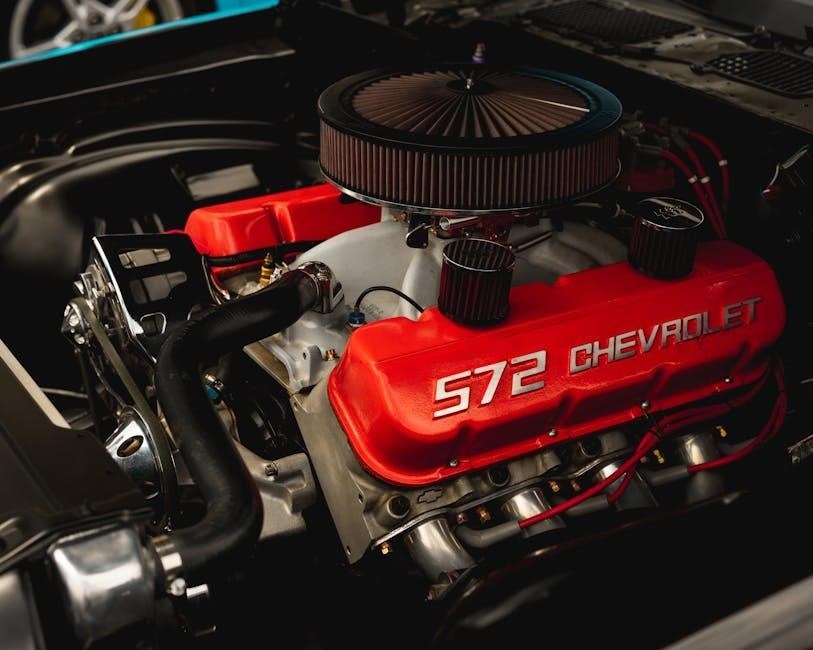
Valve materials significantly impact durability and performance. Stainless steel valves are popular for their corrosion resistance and strength, though some lower-quality stainless alloys can exhibit excessive wear, acting like a “rat tail file” against the valve guides.
Traditional materials include alloy steels, offering a balance of properties. The choice depends on engine application and operating conditions. Improper material selection, or using mismatched valve and guide materials, accelerates wear. Regular inspections are vital to detect issues early, preventing costly damage and maintaining optimal engine function.
Valve Guide Materials and Construction
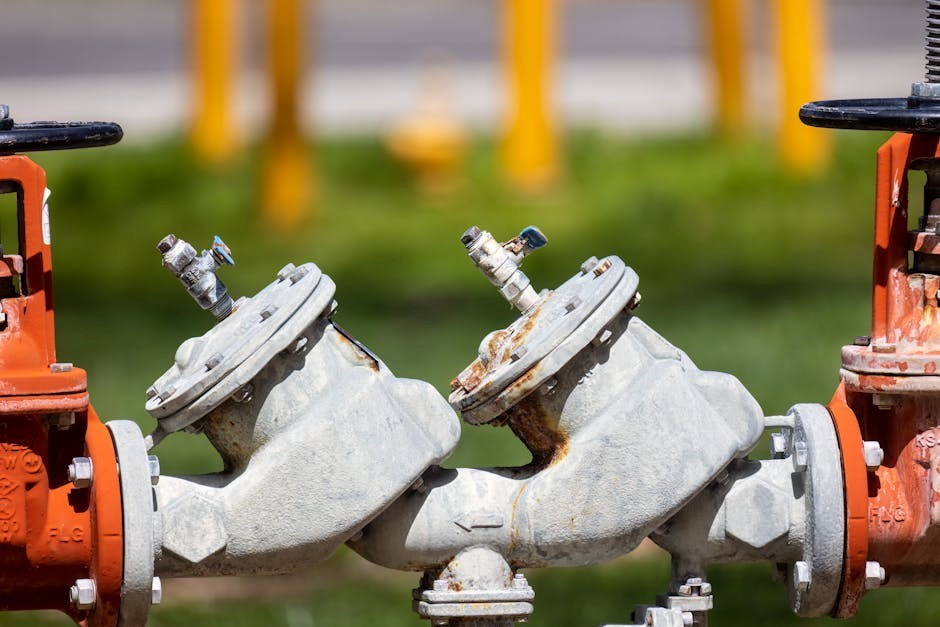
Valve guides are commonly made from cast iron, bronze, or chilled cast iron, each offering unique wear resistance and lubricating properties for valve stem support.
Cast Iron Valve Guides
Cast iron valve guides represent a traditional and cost-effective solution for valve stem support within an engine. They offer good wear resistance, particularly when properly lubricated by engine oil. However, cast iron is susceptible to corrosion and may not withstand the extreme temperatures and stresses encountered in high-performance applications as effectively as other materials.
These guides are generally used in older or less demanding engines due to their affordability and ease of manufacturing. While durable under normal conditions, they require consistent maintenance and oil quality to prevent premature wear and ensure optimal valve train operation. Proper installation and alignment are also critical for longevity.
Bronze Valve Guides
Bronze valve guides offer superior lubrication characteristics compared to cast iron, reducing friction and wear on the valve stem. This inherent property makes them a preferred choice in many engine applications, particularly those experiencing higher operating temperatures or demanding performance requirements. Bronze exhibits excellent conformability, allowing it to accommodate minor valve stem irregularities.
However, bronze guides generally possess lower tensile strength than cast iron or steel alternatives. Careful consideration must be given to the specific engine design and operating conditions when selecting bronze guides to ensure adequate structural integrity and prevent premature failure. Proper installation is also crucial.
Chilled Cast Iron Valve Guides
Chilled cast iron valve guides represent a significant improvement over standard cast iron, boasting enhanced wear resistance due to a hardened surface layer created during the casting process. This chilling process increases the material’s hardness and ability to withstand the constant sliding action of the valve stem.
They offer a good balance between durability and cost-effectiveness, making them a common choice for many engine rebuilds. However, chilled cast iron can be brittle and susceptible to cracking under extreme stress or improper installation. Careful handling and precise fitting are essential for optimal performance.
Common Valve and Guide Wear Patterns
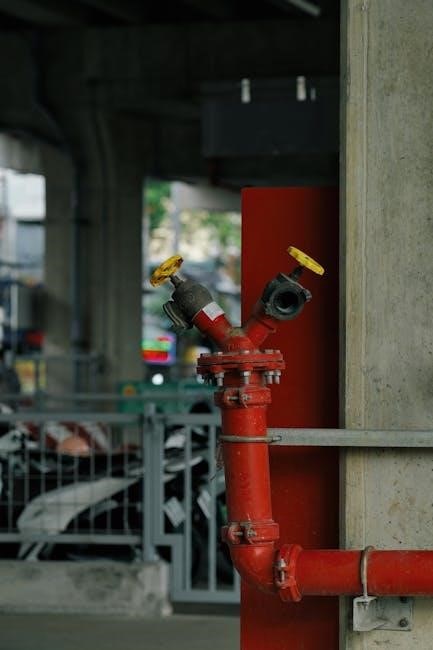
Valve and guide wear often manifests as localized damage on the lower guide sections, or uniform wear around the entire guide, frequently linked to heat discoloration.
Wear on the Lower Parts of Valve Guides
Observed wear patterns frequently concentrate on the lower portions of valve guides, specifically those areas closest to the valve head itself. This localized wear suggests a specific interaction and friction point during valve operation. Often, this damage is accompanied by noticeable heat discoloration on the same lower section of the guide.
This discoloration is a strong indicator of excessive heat build-up, potentially stemming from combustion leaks or insufficient lubrication. Identifying this wear early is crucial, as it directly impacts valve sealing and overall engine efficiency. Ignoring it can lead to more significant issues down the line.
Heat Discoloration and its Implications
Heat discoloration on valve guides, particularly in the lower regions, signifies abnormal thermal conditions during engine operation. This isn’t merely cosmetic; it indicates excessive heat exposure, potentially caused by combustion leakage past the valve or inadequate cooling. Prolonged exposure leads to material weakening and accelerated wear.
The discoloration alters the guide’s dimensions and surface finish, compromising valve alignment and sealing. This can result in reduced engine performance, increased oil consumption, and even valve failure. Addressing the root cause of the heat is vital for preventing further damage and ensuring longevity.
Uniform Wear Around the Valve Guide
Uniform wear encircling the valve guide suggests a consistent abrasive action affecting the entire surface. This pattern often arises from using incompatible valve materials, like certain stainless steel valves acting as a “rat tail file” against softer guides. It indicates a mismatch in hardness or lubrication issues.
Unlike localized wear, uniform wear doesn’t pinpoint a single failure point but signals a systemic problem. Replacing both valves and guides simultaneously is crucial to prevent rapid re-wear and restore proper valve train geometry and sealing capabilities.

Causes of Valve and Guide Wear
Valve and guide wear stems from improperly adjusted valve bridges, neglected maintenance, carbon buildup, and the effects of valve train assembly on material interactions.
Improperly Set Valve Bridges
Incorrect valve bridge settings directly contribute to accelerated valve guide wear, particularly at the lower sections closest to the valve head. When bridges aren’t properly adjusted, they can induce uneven pressure and misalignment, leading to localized stress and increased friction. This misalignment causes abnormal wear patterns, often manifesting as heat discoloration on the guide’s surface due to the intensified friction.
Consequently, the valve doesn’t seat correctly, exacerbating the problem and potentially causing oil to seep past the seals into the combustion chamber overnight, resulting in visible smoke upon startup. Addressing valve bridge adjustments is paramount for extending valve guide life and maintaining optimal engine performance.
Maintenance Issues and Neglect
Regular maintenance is vital for valve and guide health; neglect accelerates wear significantly. A lack of routine inspections allows issues like carbon buildup to worsen, hindering valve movement and increasing wear rates. Varnish accumulation can cause valves to stick within their guides, potentially leading to piston contact and severe engine damage.
Furthermore, failing to address oil leaks or optimize the oil-moisture separator contributes to oil seepage, exacerbating wear and causing smoke upon startup. Proactive maintenance, including timely oil changes and inspections, is crucial for preventing costly repairs and ensuring longevity.
Valve Train Assembly Effects
The valve train assembly profoundly impacts valve guide wear; improper assembly introduces stresses that accelerate deterioration. Using mismatched or low-quality valve components, like certain stainless steel valves, can act as abrasive agents, rapidly wearing down the guides. Normal load and sliding speed also contribute to wear losses, highlighting the importance of precise component fitting.
Furthermore, incorrect valve bridge settings can induce uneven wear patterns. A well-assembled valve train, utilizing compatible materials and precise adjustments, minimizes stress and maximizes the lifespan of both valves and guides.
Symptoms of Worn Valve Guides
Worn valve guides manifest as excessive smoke upon startup, indicating oil seepage into cylinders; low pressure and poor shifting can also occur.
Excessive Smoke from Exhaust on Startup
A telltale sign of worn valve guides is a noticeable plume of smoke emanating from the exhaust pipe immediately after starting the engine, particularly after it has been sitting overnight. This occurs because leaking valve guides allow engine oil to seep past the valve seals and into the combustion chamber while the vehicle is stationary.
Consequently, when the engine fires up, this accumulated oil is burned along with the air-fuel mixture, creating visible exhaust smoke. The smoke typically dissipates as the engine warms up and the oil leakage diminishes, but its presence signals a need for inspection and potential valve guide repair or replacement.
Oil Seepage into Cylinders
Worn valve guides directly contribute to oil seepage into the engine cylinders, a critical issue impacting combustion efficiency and potentially causing engine damage. As the valve guides wear, they lose their tight seal with both the valve stem and the valve seat. This diminished sealing allows lubricating oil to bypass the piston rings and enter the combustion chamber.
Over time, this oil accumulation can lead to carbon buildup, valve sticking, and reduced engine performance. Consistent oil seepage indicates a compromised valve guide and necessitates prompt attention to prevent further complications.
Low Pressure and Poor Shift Quality (Automatic Transmissions)
Valve bore wear, specifically within automatic transmissions, can manifest as diminished hydraulic pressure and subsequently, poor shift quality; Manual valve bore wear creates excessive clearances, allowing pressurized transmission fluid to leak internally. This leakage reduces the overall system pressure required for proper clutch and band application.
The resulting symptoms include delayed or harsh shifts, slippage, and an overall unresponsive transmission feel. Addressing this wear, often through valve body repair or replacement, is crucial for restoring optimal transmission function.
Preventative Measures and Maintenance
Regular inspections, optimizing oil-moisture separators, and preventing carbon buildup are vital for extending valve and guide life, ensuring peak engine performance.
Regular Valve Train Inspections
Consistent valve train inspections are paramount for identifying potential issues before they escalate into major repairs. Look for signs of wear, such as heat discoloration on valve guides, indicating excessive temperatures and potential damage. Checking valve bridges for proper settings is crucial, as misalignment contributes significantly to uneven wear patterns.
Furthermore, assess for sticking valves, often caused by varnish or carbon accumulation, which can lead to valve-to-piston contact. A thorough inspection should also include verifying proper valve seating and guide clearance, ensuring optimal sealing and minimizing oil seepage into the cylinders. Early detection through routine checks saves costs and maintains engine efficiency.
Oil Moisture Separator Optimization
An optimized oil-moisture separator plays a vital role in valve guide health by preventing corrosive condensation buildup within the engine. Excess moisture contributes to varnish formation, a primary cause of valve sticking within the guides, potentially leading to piston contact and severe damage.
Regularly inspecting and maintaining the separator ensures dry air circulation, minimizing the risk of contaminant accumulation. This proactive approach reduces wear rates and extends the lifespan of both valves and guides, ultimately preserving engine performance and preventing costly repairs related to oil seepage and combustion inefficiencies.
Preventing Carbon Buildup
Excessive carbon deposits significantly hinder valve and guide performance, accelerating wear and potentially causing valves to stick within their guides. This buildup restricts valve movement, leading to incomplete combustion and reduced engine efficiency. A small opening at the valve end exacerbates carbon accumulation, demanding preventative measures.
Regularly using high-quality fuel and ensuring proper air-fuel mixtures are crucial. Employing fuel additives designed to minimize carbon formation can also be beneficial. Consistent engine maintenance, including periodic cleaning, helps mitigate buildup and preserve optimal valve train function, safeguarding against damage.

Valve Guide Repair and Replacement
Repair options include valve guide reaming and installation of new guides; proper techniques are vital for restoring sealing and ensuring optimal valve train operation.
Valve Guide Reaming
Valve guide reaming is a precision process undertaken to restore the inner diameter of a worn valve guide, ensuring a proper fit with the valve stem. This procedure involves using specialized reaming tools to carefully remove material, creating a smooth and accurately sized bore. It’s crucial to maintain concentricity during reaming to prevent valve binding or excessive clearance.
Following reaming, meticulous cleaning is essential to eliminate any debris. Reaming is often performed when minor wear is detected, offering a cost-effective alternative to complete guide replacement. However, severely worn or damaged guides typically necessitate replacement for optimal performance and reliability, as reaming has its limitations.

Valve Guide Installation Techniques
Valve guide installation demands precision to guarantee proper valve alignment and longevity. Typically, guides are installed using a specialized driver, ensuring they are seated squarely and to the correct depth within the cylinder head. Often, guides are press-fit, requiring controlled force to avoid damage to the head or guide itself.
Before installation, chilling the guides can aid in a tighter fit. Following installation, verifying concentricity with a valve stem is vital. A new valve and careful screwing of the guide tube are essential steps for a secure and functional assembly, preventing future issues like sticking or leakage.