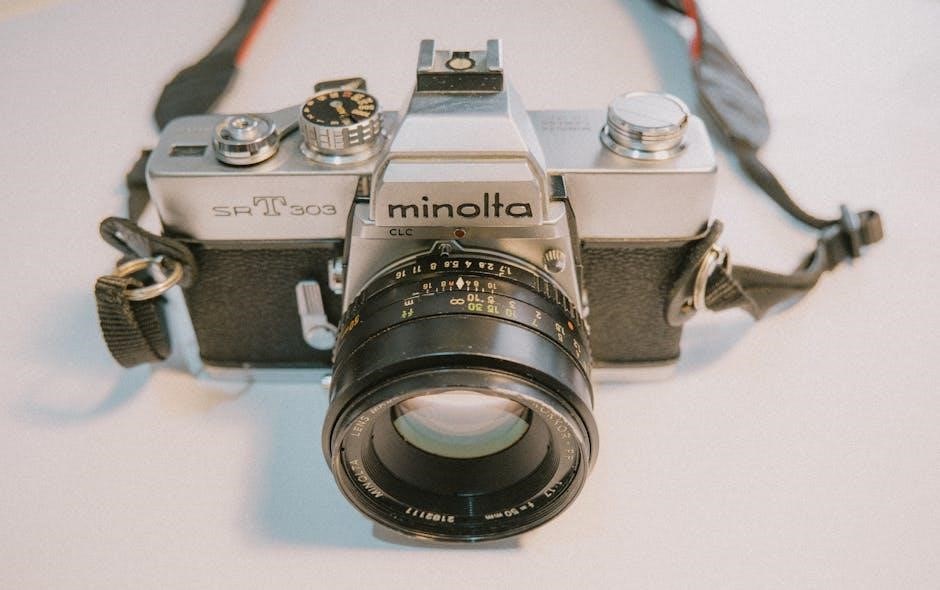
Minolta XG-A: A Comprehensive Guide
Delving into the Minolta XG-A‚ this guide offers a detailed exploration‚ referencing manualsbase resources from August 3‚ 2020. It’s a 29.1MB English language document.
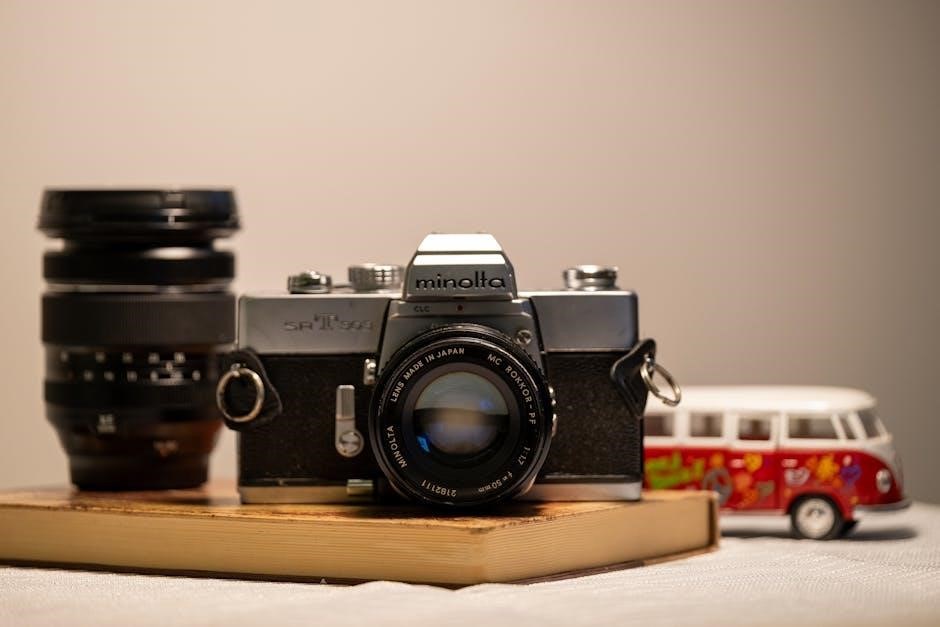
The Minolta XG-A‚ a cornerstone of 35mm SLR photography‚ represents a blend of accessibility and robust functionality. Released during a pivotal era in camera development‚ it quickly gained popularity among both amateur and seasoned photographers. This guide‚ informed by resources like manualsbase (added August 3‚ 2020‚ identifier manualsbase-id-135746)‚ aims to provide a comprehensive understanding of this classic camera.
Often lauded for its user-friendly design and reliable performance‚ the XG-A offers a stepping stone into the world of manual photography. Its appeal lies in its ability to deliver high-quality images without the complexities often associated with more advanced systems. The 29;1MB manual available online details every aspect of operation.
This exploration will cover everything from the camera’s core features and metering system to practical techniques for achieving optimal results. Whether you’re a newcomer to film photography or a seasoned enthusiast‚ this guide will equip you with the knowledge to fully utilize the Minolta XG-A’s capabilities. It’s a camera built to last‚ and understanding its intricacies ensures years of photographic enjoyment.
Historical Context & Significance
Emerging in the late 1970s‚ the Minolta XG-A arrived during a dynamic period of innovation in camera technology. It represented Minolta’s response to a growing demand for compact‚ yet capable‚ SLR cameras. Resources like the manualsbase archive (documented August 3‚ 2020‚ with identifier manualsbase-id-135746) highlight its place within Minolta’s XG series.
The XG-A’s significance stems from its successful integration of electronic features – particularly its advanced metering system – into a relatively affordable package. This broadened access to sophisticated photographic tools for a wider audience. It competed directly with cameras from Canon and Nikon‚ establishing itself as a serious contender.
The camera’s enduring appeal isn’t merely nostalgic; it reflects a design philosophy prioritizing usability and reliability. The 29.1MB manual demonstrates a commitment to clear instruction‚ empowering photographers to master manual controls. The XG-A’s legacy continues to inspire‚ proving that excellent photography doesn’t always require the most complex equipment‚ but rather a solid understanding of fundamentals.
Key Features and Specifications
The Minolta XG-A‚ as detailed in the manualsbase resource (added August 3‚ 2020‚ size 29.1MB)‚ boasts a horizontally-traveling cloth focal-plane shutter offering speeds from 2 seconds to 1/1000th of a second‚ plus Bulb mode. It’s a 35mm SLR utilizing the Minolta SR mount‚ accepting a wide range of lenses.
Central to its functionality is a center-weighted averaging metering system‚ crucial for accurate exposure. The camera supports both manual and aperture-priority auto exposure modes‚ providing flexibility for various shooting scenarios. Its viewfinder offers approximately 93.3% coverage‚ aiding composition.
Further specifications include a built-in self-timer‚ depth-of-field preview‚ and hot shoe for external flash. The XG-A operates on a 4LR44/PX28 battery‚ powering both the meter and the electronic shutter. The manual comprehensively explains these features‚ ensuring users can fully leverage the camera’s capabilities for optimal photographic results.
Understanding the XG-A’s Metering System
The Minolta XG-A’s metering system‚ thoroughly explained within the manualsbase document (dated August 3‚ 2020‚ 29.1MB)‚ is a center-weighted averaging type. This means the camera prioritizes light readings from the central portion of the frame‚ diminishing sensitivity towards the edges. Understanding this weighting is crucial for accurate exposures.
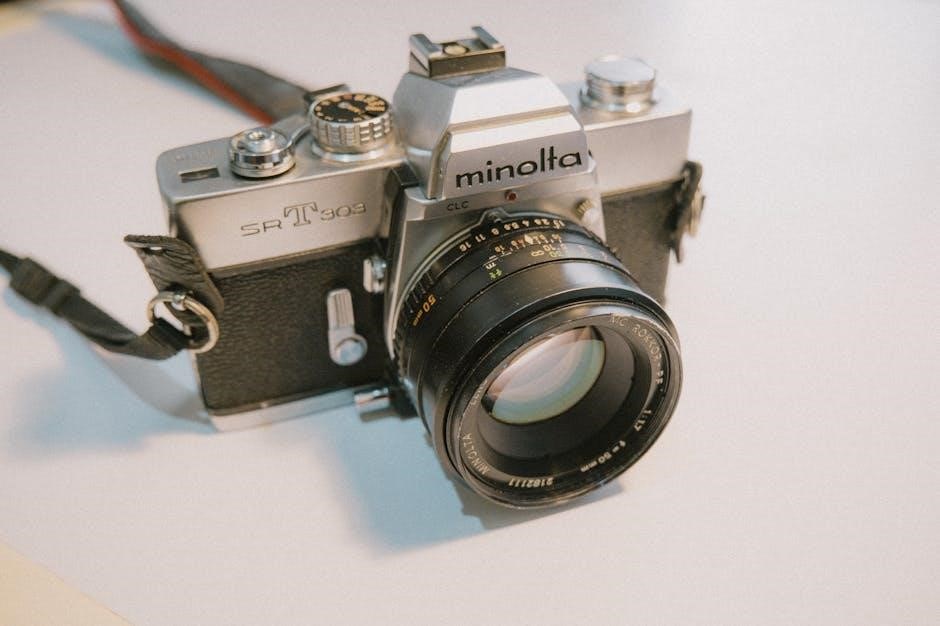
The manual details how the meter responds to different light conditions and provides guidance on interpreting the needle within the viewfinder. This needle indicates whether the scene is underexposed‚ correctly exposed‚ or overexposed‚ based on the selected aperture and shutter speed.
Users can utilize the exposure compensation dial to fine-tune readings when shooting subjects with strong backlighting or unusual reflectivity. The manual emphasizes practicing with the meter to develop an intuitive understanding of its behavior‚ leading to consistently well-exposed photographs. Proper meter usage unlocks the XG-A’s full potential.
Shutter Speed and Aperture Control
As detailed in the Minolta XG-A manual (referenced on manualsbase‚ added August 3‚ 2020‚ file size 29.1MB)‚ the camera offers both shutter-priority and aperture-priority auto exposure modes‚ alongside full manual control. Shutter speed ranges from 2 seconds to 1/1000th of a second‚ providing versatility for various shooting scenarios.
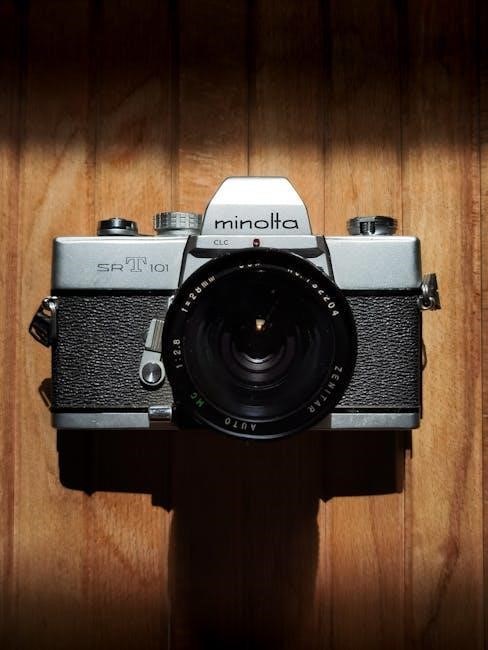
Aperture control‚ managed via the lens‚ directly influences depth of field. The manual explains how different aperture settings affect the area of acceptable sharpness in your images. Selecting the appropriate aperture is key to creatively controlling focus and isolating subjects.
In aperture-priority mode‚ the photographer sets the desired aperture‚ and the camera automatically selects the corresponding shutter speed for correct exposure. Conversely‚ in shutter-priority‚ the shutter speed is set‚ and the camera adjusts the aperture. Mastering these controls‚ as outlined in the manual‚ is fundamental to XG-A operation.
Film Loading and Advance Mechanism
The Minolta XG-A manual (available via manualsbase‚ added 2020-08-03‚ 29.1MB size) provides clear instructions for film loading. The camera utilizes a traditional film loading system‚ requiring the user to thread the film leader onto the take-up spool. The manual emphasizes the importance of ensuring the film is properly seated and advancing smoothly.
Film advance is achieved through a single-stroke winding lever. Each stroke advances the film and simultaneously cocks the shutter. The manual details how to verify correct film advance by observing the film counter. It also cautions against forcing the lever‚ which could damage the mechanism.

Rewinding the film is similarly straightforward‚ employing a rewind crank. The manual illustrates the proper technique for rewinding‚ ensuring the film is fully retracted into the cassette before opening the camera back. Careful adherence to these instructions‚ as detailed in the manual‚ prevents film damage.
Focusing System and Viewfinder Details
According to the Minolta XG-A manual (sourced from manualsbase‚ added August 3‚ 2020‚ a 29.1MB English document)‚ the camera employs a split-image focusing screen within its viewfinder. This system aids in achieving precise focus by visually separating an image into two halves; alignment indicates sharpness.
The viewfinder itself provides approximately 93.3% coverage of the actual image area. The manual details the presence of microprism collar surrounding the split-image‚ further assisting in fine-tuning focus‚ particularly for off-center subjects. Brightness is also addressed within the manual’s descriptions.
Diopter adjustment is included‚ allowing users to compensate for individual vision differences. The manual explains how to adjust the diopter to ensure a clear and accurate view of the focusing aids. Understanding these viewfinder details‚ as outlined in the manual‚ is crucial for consistently sharp images.
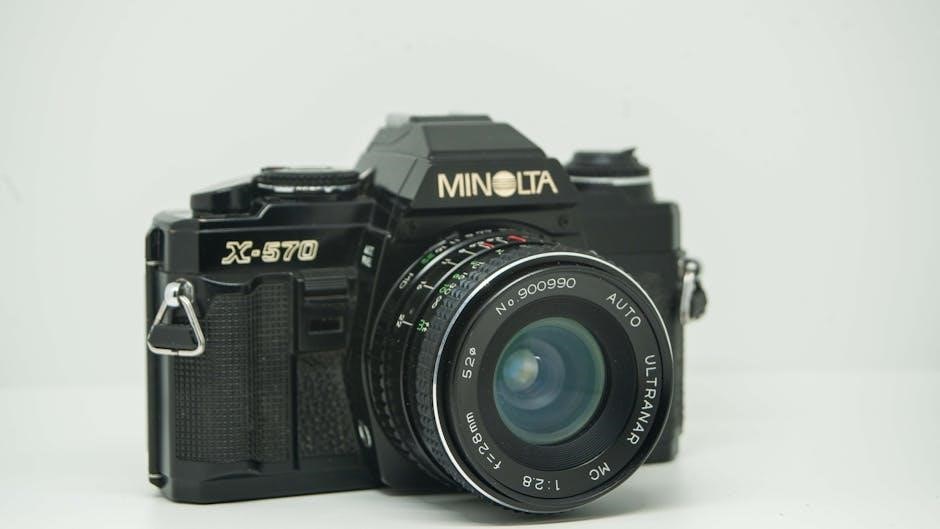
Using the Self-Timer and Depth of Field Preview

The Minolta XG-A manual (referenced from manualsbase‚ added August 3‚ 2020 – a 29.1MB English resource) details the self-timer function. Activated by a lever located near the shutter release‚ it provides a roughly 10-second delay‚ allowing the photographer to join the scene. The manual cautions against accidental activation during normal shooting.
Depth of field preview is another key feature explained within the manual. Engaging this function‚ typically via a button near the lens mount‚ stops down the aperture to the selected setting‚ visually demonstrating the area that will be in focus. This aids in precise depth of field control.
The manual emphasizes that using depth of field preview darkens the viewfinder image. It also notes that prolonged use can drain the battery slightly. Mastering these features‚ as described in the XG-A manual‚ enhances creative control and image quality.
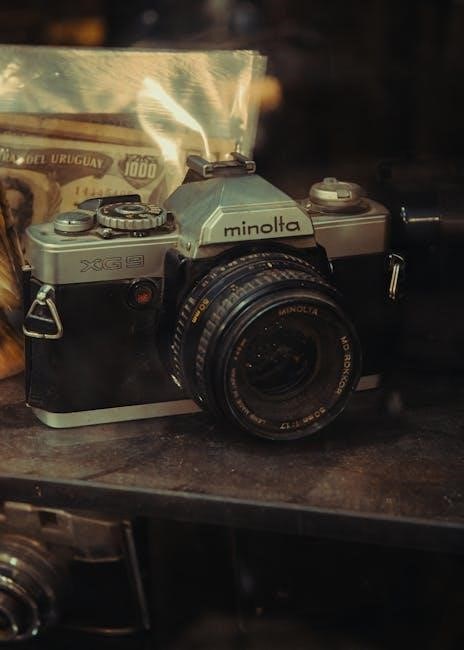
Exposure Compensation Techniques
The Minolta XG-A manual (sourced from manualsbase‚ added August 3‚ 2020 – a 29.1MB English document) dedicates a section to exposure compensation. This is crucial when the camera’s metering system is fooled by unusually bright or dark scenes. The manual explains how to use the +/- exposure compensation dial‚ typically located near the shutter speed dial.
Increasing the exposure compensation (positive values) brightens the image‚ useful for shooting dark subjects against a bright background. Conversely‚ decreasing compensation (negative values) darkens the image‚ ideal for bright subjects against a dark background. The manual stresses the importance of understanding the scene’s tonal range.
It provides examples‚ like shooting snow scenes or concerts‚ where compensation is often necessary. The manual also advises reviewing test shots and histograms to fine-tune exposure. Mastering these techniques‚ as detailed in the XG-A manual‚ ensures properly exposed photographs in challenging lighting conditions.
The XG-A’s Battery and Power Supply
According to the Minolta XG-A manual (identified on manualsbase‚ added August 3‚ 2020‚ a 29.1MB English resource)‚ the camera relies on a 4LR44/PX28 or equivalent 6V silver oxide battery to power its electronic shutter and metering system. The manual details proper battery installation‚ emphasizing correct polarity to avoid damage.
It explains that low battery levels can affect metering accuracy and potentially lead to incorrect exposures. The manual includes a battery check procedure‚ often involving a small LED indicator in the viewfinder. Regular battery replacement is recommended‚ even if the indicator hasn’t illuminated‚ to ensure reliable operation.
The XG-A manual also cautions against mixing old and new batteries‚ and advises removing the battery if the camera will be stored for an extended period to prevent leakage. Understanding these power supply aspects‚ as outlined in the manual‚ is vital for consistent performance.
Common Issues and Troubleshooting

The Minolta XG-A manual (sourced from manualsbase‚ added August 3‚ 2020 – a 29.1MB English document) addresses frequent user concerns. A common issue is inaccurate metering‚ often linked to a weak or incorrectly installed battery‚ as detailed in the power supply section. The manual guides users through battery checks and replacement procedures.
Another reported problem involves the shutter not firing. The manual suggests verifying correct aperture and shutter speed settings‚ and checking for any obstructions within the shutter mechanism. Sticky shutter curtains‚ a potential issue with older cameras‚ are also addressed with cleaning recommendations.
Film advance problems are covered‚ advising users to ensure the film is properly loaded and that the film transport mechanism isn’t jammed. The manual also provides basic troubleshooting steps for viewfinder issues‚ emphasizing the importance of a clean lens. Regular maintenance‚ as outlined‚ prevents many problems.
Lens Compatibility: SR Mount Lenses
The Minolta XG-A manual (referenced from manualsbase‚ added August 3‚ 2020 – a 29.1MB English resource) extensively details SR mount lens compatibility. The XG-A utilizes the Minolta SR mount‚ a bayonet mount system introduced in 1958‚ offering broad compatibility with a vast range of Minolta lenses produced over several decades.
The manual clarifies that both older‚ manual focus SR mount lenses and newer‚ MD mount lenses (which retain the SR mount but feature electronic contacts) are usable. However‚ full electronic communication – aperture control from the camera body – is limited to MD lenses. With older SR lenses‚ aperture is adjusted manually.
The guide emphasizes checking lens condition‚ ensuring the mounting ring is undamaged‚ and verifying proper fit. Adapters may allow use of non-Minolta SR mount lenses‚ but the manual doesn’t cover these extensively. It stresses that using compatible lenses ensures optimal performance and image quality.
Accessories for the Minolta XG-A
According to the Minolta XG-A manual (sourced from manualsbase‚ added August 3‚ 2020 – a 29.1MB English document)‚ a range of accessories enhanced the camera’s functionality. These included external flash units‚ compatible with the camera’s hot shoe for off-camera lighting and improved low-light performance.
The manual details various motor drives‚ enabling continuous shooting for action photography. Filters – UV‚ polarizing‚ and color-correcting – are also listed‚ improving image quality and creative control. A dedicated remote cable release was available for long exposures and minimizing camera shake.
Furthermore‚ the guide mentions optional finders for specialized shooting scenarios‚ and a soft case for protection during transport. The manual provides guidance on proper accessory attachment and usage‚ ensuring compatibility and optimal results. It also notes that Minolta offered dedicated light meters for more precise exposure control‚ complementing the camera’s built-in metering system.
Maintaining and Caring for Your XG-A
The Minolta XG-A manual (identified via manualsbase‚ added August 3‚ 2020 – a 29.1MB English resource) emphasizes regular cleaning to ensure optimal performance. It advises gently blowing away dust from the lens and viewfinder‚ avoiding abrasive cleaners or cloths. The manual stresses the importance of protecting the camera from moisture and extreme temperatures.
Battery compartment corrosion is addressed‚ recommending battery removal during prolonged storage to prevent leakage damage. Proper film handling is detailed‚ advising against exposing film to direct sunlight for extended periods. The manual also suggests periodic inspection of the light seals to prevent light leaks‚ impacting image quality.
Lubrication of moving parts isn’t recommended for user maintenance‚ instead advising professional servicing if mechanical issues arise. Careful handling of the film advance lever and shutter release button is also highlighted to prevent wear and tear‚ extending the camera’s lifespan.
Resources for XG-A Users (Manuals & Online Communities)
The primary resource‚ as identified on manualsbase (added August 3‚ 2020‚ a 29.1MB English document)‚ is the official Minolta XG-A manual itself. This provides comprehensive guidance on all camera functions and maintenance procedures. Beyond the downloadable manual‚ numerous online communities cater to Minolta enthusiasts.
Photography forums‚ like those dedicated to classic cameras‚ offer spaces for XG-A users to share experiences‚ ask questions‚ and troubleshoot issues. Websites archiving vintage camera reviews often include detailed analyses of the XG-A’s features and performance. Flickr groups dedicated to Minolta cameras showcase images taken with the XG-A‚ providing inspiration and examples.

YouTube channels featuring film photography tutorials frequently demonstrate the XG-A’s operation and offer practical shooting tips. These resources collectively create a supportive ecosystem for XG-A owners‚ fostering knowledge sharing and camera appreciation.
XG-A vs. Other Minolta XG Series Cameras
Comparing the XG-A to its siblings – the XG-7‚ XG-9‚ and XG-20 – reveals subtle yet significant differences. While all share the SR mount and core functionality‚ the XG-A distinguishes itself with a more refined electronic shutter and a broader range of shutter speeds‚ extending to 2 seconds in manual mode. The manual‚ available on resources like manualsbase (added 2020-08-03‚ 29.1MB)‚ details these nuances.
The XG-7 often lacks the XG-A’s full electronic control‚ relying more on mechanical operation. The XG-9 introduces program auto exposure‚ absent in the XG-A’s more manual-focused design. The XG-20‚ a later model‚ incorporates more advanced features but loses some of the XG-A’s simplicity.
Essentially‚ the XG-A strikes a balance‚ offering electronic convenience without sacrificing the tactile experience preferred by many photographers. Understanding these distinctions‚ as outlined in the camera’s documentation‚ helps users choose the XG model best suited to their needs.